
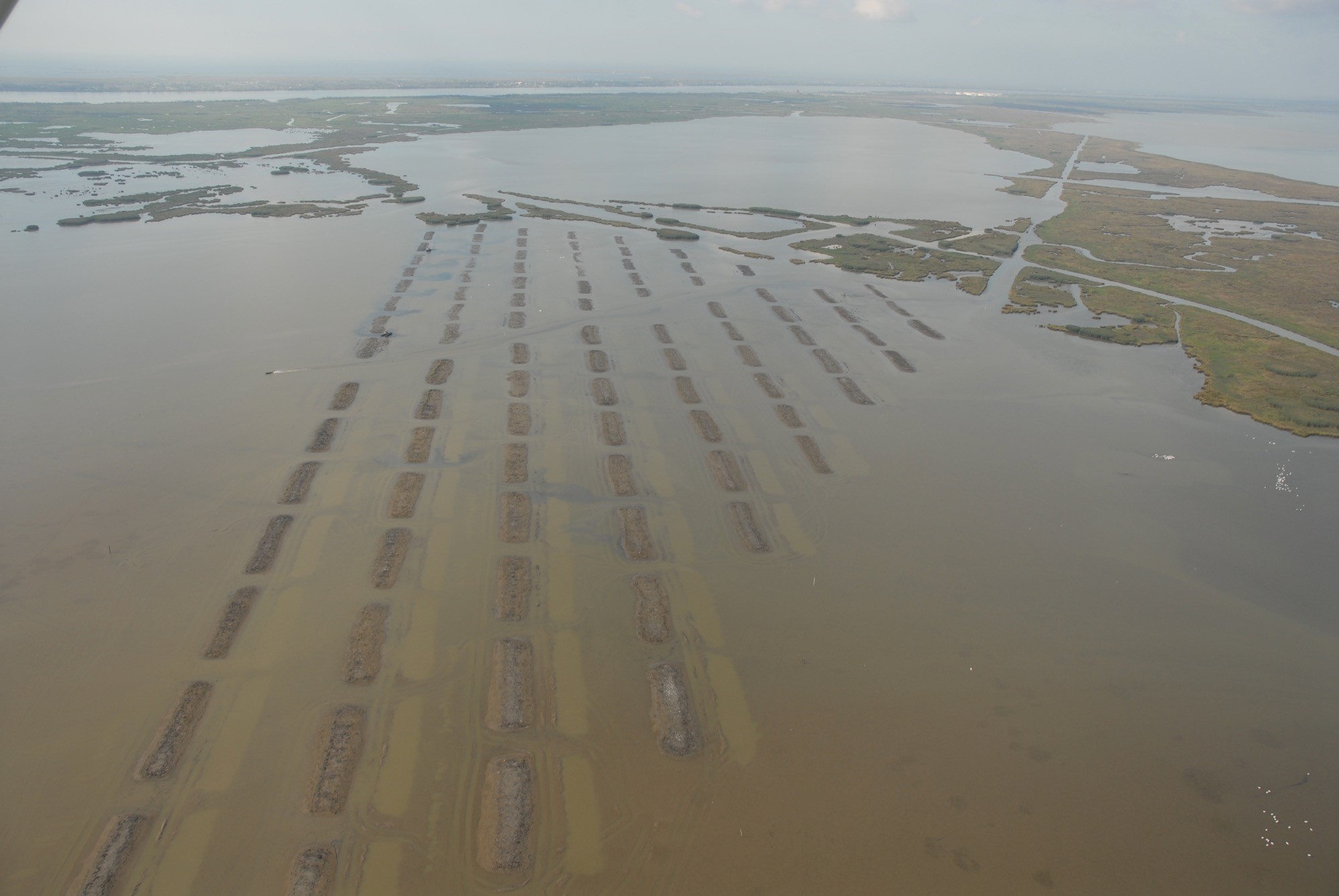
What happens if the land that protects your home from storms starts disappearing?
In Louisiana, wetlands and forests were once a giant natural shield against hurricanes. Since then, the impact of hurricanes and changes to the Mississippi River have weakened this protection.
Today, the coastline of Louisiana is one of the fastest disappearing landmasses, at the rate of two acres an hour!
Restoration groups today are trying to rebuild these defenses by planting trees in damaged areas. Environmental leaders like Christina Lehew have said that thinking about the wetlands in the past shows how significantly land has been lost. While the original ecosystems may not be recoverable, she notes, “we can gain something back.”
Why Natural Barriers Matter?
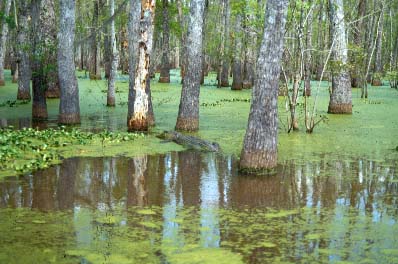
Before the beginning of large-scale human development in the area, Louisiana’s wetlands and forests formed a barrier along the coast. They slowed storm surges and helped protect big cities like New Orleans from natural threats.
Bald cypresses and water tupelo trees were particularly important because they had strong roots that held the soil in place, preventing erosion.
For thousands of years, the Mississippi River was a significant part of the state’s coastline. Its regular floods spread sediment across wetlands, creating new land for plants to grow.
Before modern development, it naturally moved soil and nutrients along the coast and provided a suitable environment for growth. This natural flooding kept forests and swamps healthy, and the cypress trees and wildlife of the area thrived. The ecosystems in place stabilized the land and created a buffer between the ocean and inland areas.
Effect of Manmade Canals
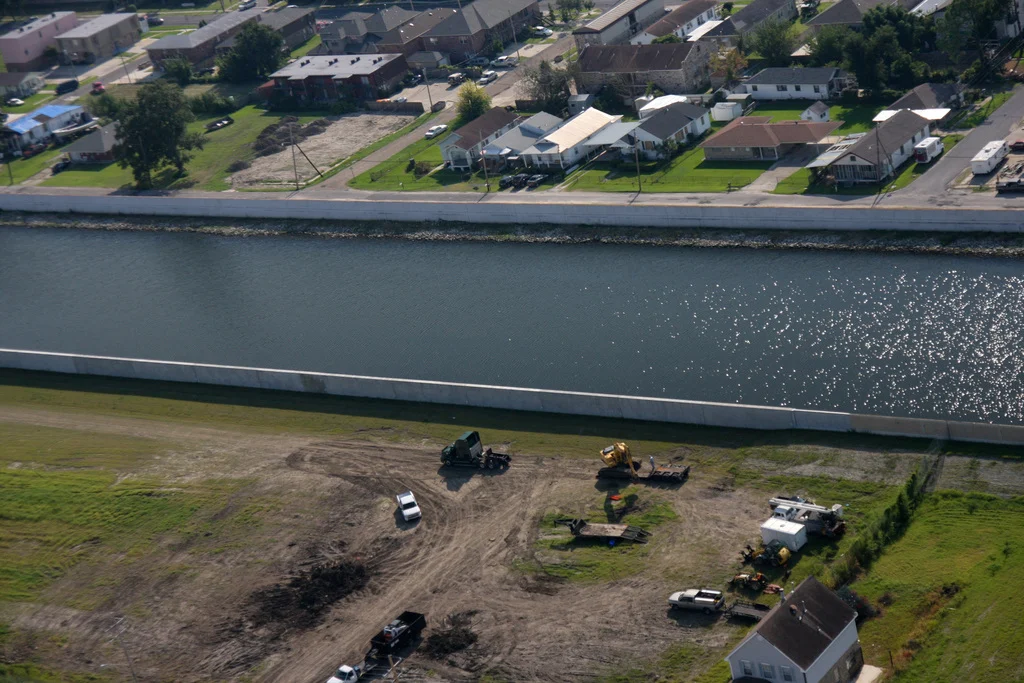
Since the 1900s, engineers have been building canals that controlled flooding and improved shipping routes, making delivery more efficient. After the Great Mississippi Flood of 1927, fault systems were replaced by large levees (walls built along bodies of water) to contain the river.
Later, the building of additional canals created serious problems, allowing saltwater from the Gulf of Mexico to blend with the freshwater wetlands. This poisoned many trees and seriously disrupted the ecosystem. Once the wetlands and forests were weakened, the natural barriers that once protected the area also diminished.
Now, communities and environmental groups are trying to restore Louisiana’s natural barriers. Over the past several years, volunteers have planted nearly 30,000 native trees near New Orleans. The goal is to rebuild swamp forests and once again strengthen storm protection in the area.
For many people, this project has become both an environmental recovery effort and a form of healing after disasters like Hurricane Katrina affected so many lives. Ashe Burke, who was 8 years old when the hurricane hit, recalls how it “changed us all…we had our lives ripped out from underneath us in a day.”
Sources: LA Times, AP News