
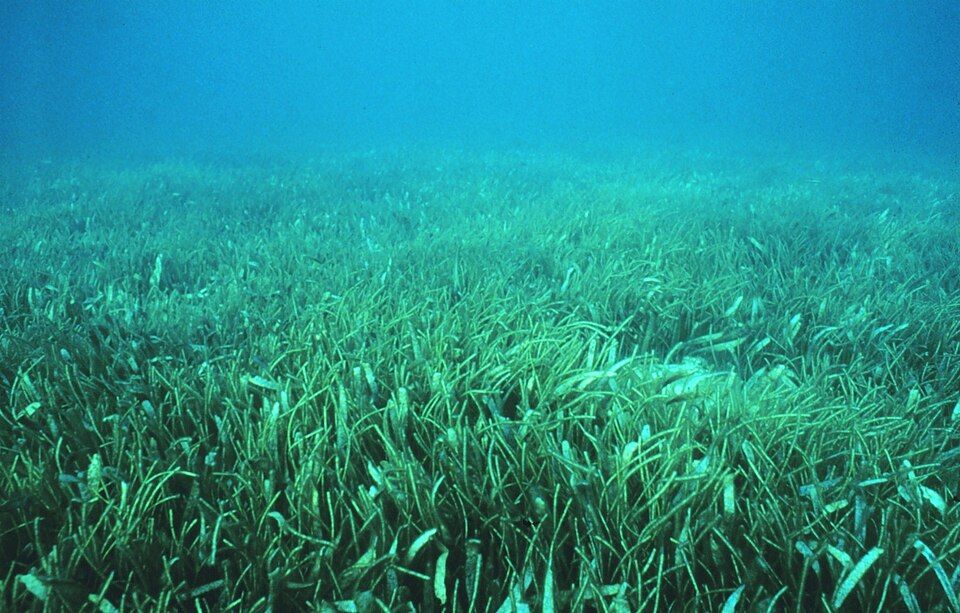

When we think about species that regulate the ocean ecosystems, the first that comes to mind is coral reefs.
But experts say that seagrass meadows also play an important role in ocean health and help protect coastal areas.
Greece has more than 13,000 kilometres of shoreline, and roughly 70 per cent of its coastal seabed is covered by a seagrass species called Posidonia seagrass. In coastal cities like Athens, seagrass meadows are being destroyed by boats that drop their anchors into the seabed. Athens is taking action to protect its seagrass meadows by developing and testing new anchoring systems.
Why Is Seagrass Worth Protecting?
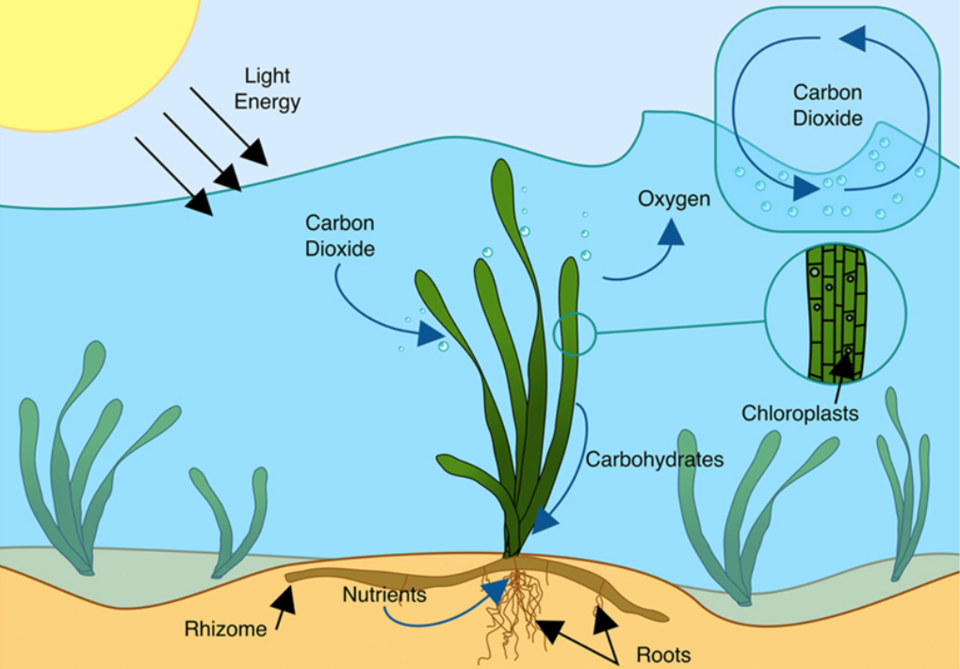

Seagrass roots hold soil in place, keeping it from getting washed away by ocean currents. The tall blades of seagrass also slow down waves and reduce their height, which reduces the risk of flooding in coastal areas.
Seagrasses are a haven for many species, from turtles to seahorses, manatees, crabs, and shrimps. When the many shelled organisms that make their home in the seagrasses die, their dead shells turn into sand that bolsters shorelines.
Seagrass meadows improve water quality by capturing sediments and other pollutants that settle to the bottom. Seagrasses also make the water less acidic by removing carbon dioxide from the water and releasing oxygen in the process of photosynthesis. The resulting cleaner, less acidic, and oxygen-rich waters help corals and other coastal ecosystems thrive.
Although these meadows cover only 0.1 percent of the ocean floor, they store up to 18 percent of the world’s ocean carbon since they capture up to 35 times faster than tropical rainforests.
Greece’s Action to Protect Seagrass
Greece is taking its action at Porto Rafti, a busy yachting harbour east of its capital city, Athens. Thousands of tourists visit Greece on boats. They drop heavy metal anchors; when those anchors are pulled up, they rip out seagrasses by their roots, leaving “scars” on the ocean floor.
To address this, Greece is testing a system called “eco-mooring” that acts like a parking lot for boats. Instead of each boat dropping its own anchor, they “park” in permanent spots where boats can tie safely to a floating buoy that is anchored to the sea floor with a sturdy chain.
So far, Greece has installed about 40 systems along its coastal areas and hopes to add more. These efforts tell us that we do not have to ban boats or tourism. Sometimes, creative solutions can allow people to enjoy nature, and at the same time, protect it.
Sources: Mongabay, UNEP, Euronews, World Wildlife Fund