
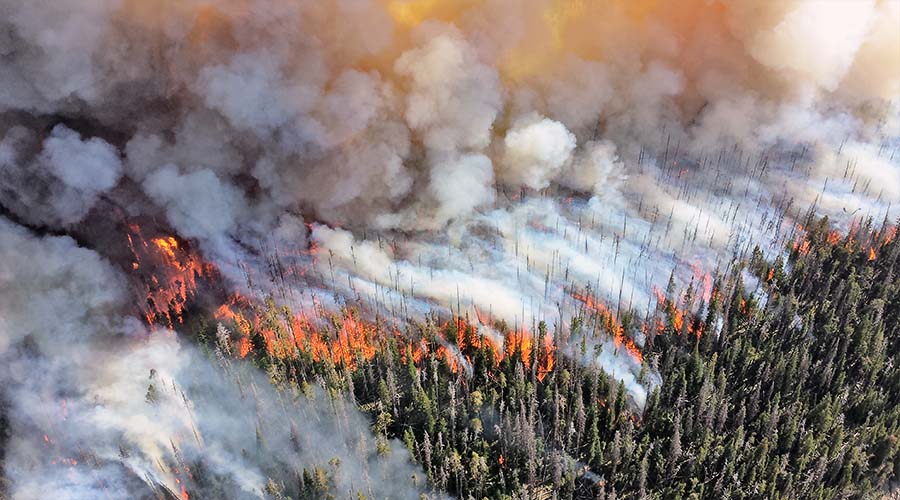
Imagine waking up and feeling a dread setting in your chest. The awareness and fear of a changing environment around you.
If you feel like your mental health is declining because of the rapidly changing environment, you are part of a growing number of people with “Eco-anxiety, Eco-grief, or Climate Anxiety.”
The sudden climate shift is increasingly affecting mental health, causing anxiety, depression, and emotional distress, particularly among the younger generation.
Lately, experts are paying more attention to the psychological effects of climate change, studying related emotions such as ecological grief and solastalgia, the feeling of sadness or loss caused by environmental changes.
What Does Data Show?
These climate-related mental health impacts originate from direct events such as hurricanes, to long-term environmental effects like permanent landscape changes. These are all amplified by a heavy stream of media on our screens.
As climate news dominates our feeds, more of us are starting to worry about the planet’s future. Experts from Yale, including Anthony Leiserowitz and Sarah Lowe, define climate anxiety as a sense of distress about how environmental changes threaten both Earth and mankind. This anxiety that can manifest physically can start to interfere with daily life.
Interestingly, researchers stress the difference between “healthy worry,” which motivates people to take action, and “problematic anxiety," which prevents people from functioning in day-to-day tasks.
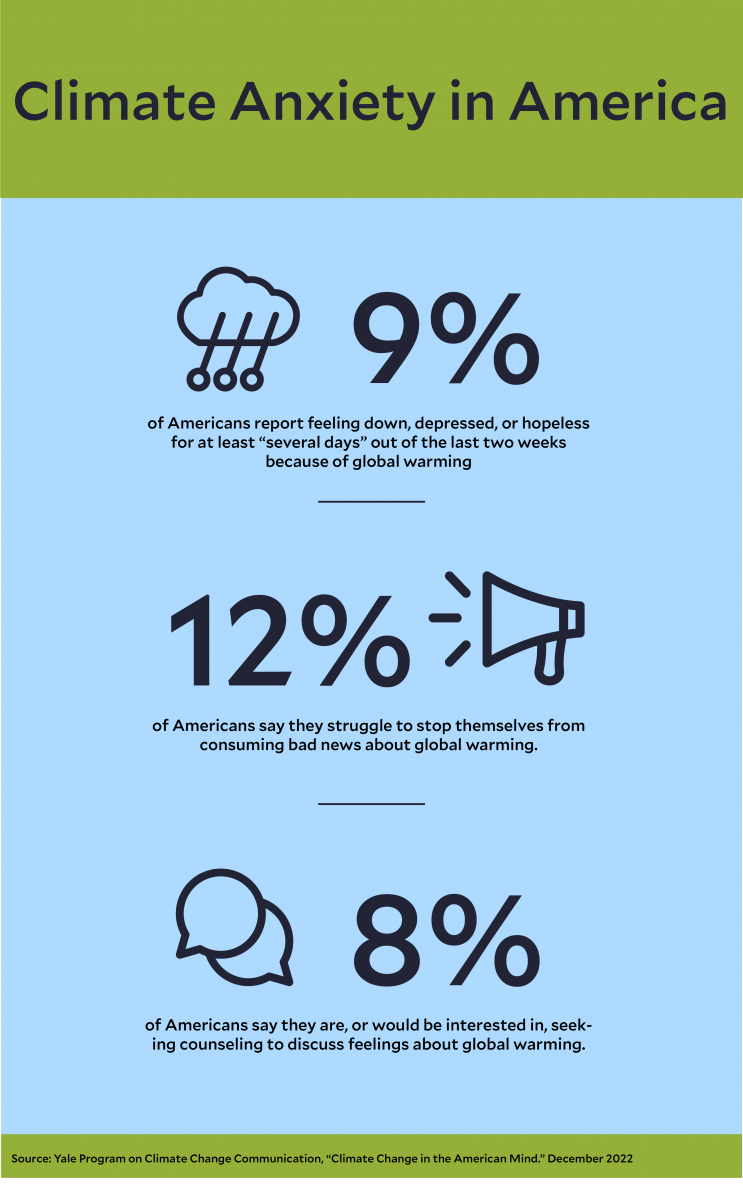
Recent surveys show that about 10% of Americans report frequent anxiety about global warming, while 9% feel their worry is becoming uncontrollable. 7% reported a reduced interest in their favorite activities. This is especially true for adolescents, many of whom report feelings of hopelessness about the future. Experts from Yale also mention that young people who suffer from general anxiety are more likely to be climate anxious as well.
How To Channel Hope?
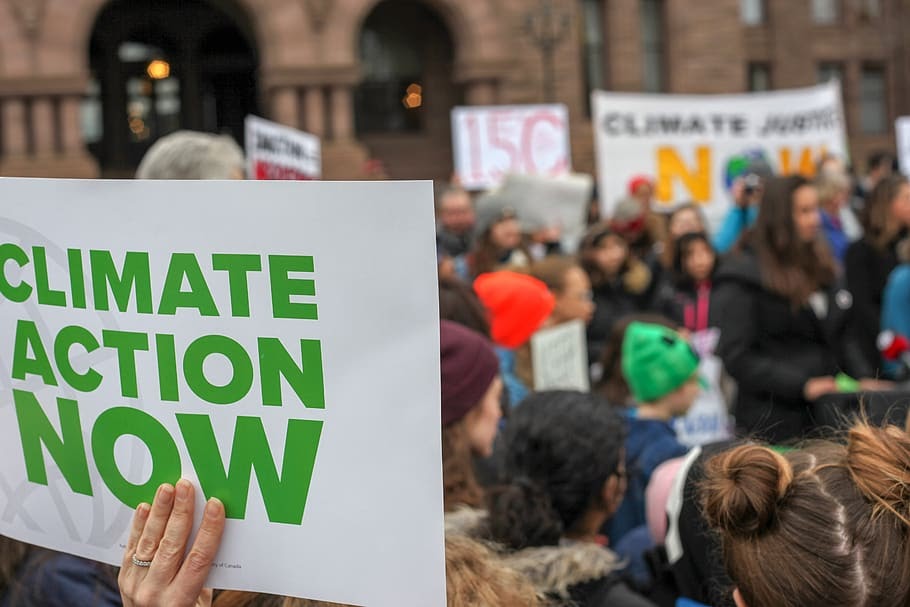
Nevertheless, there are ways to fight climate change and take action to reduce these feelings!
Studies from the United Kingdom, as reported by The Invading Sea, show that people living in “greener” households that prioritize recycling and sustainable choices tend to report higher levels of life satisfaction. Collective action is another solution to reduce climate anxiety, as it fosters a sense of purpose and meaning.
Experts now argue that climate change must be treated as both an environmental and a mental health issue. If the government includes mental health support in climate adaptation programs and strengthens support systems for the environment, it can help younger people who suffer from climate anxiety feel less overwhelmed.
Finally, policymakers must make it easier for people to take climate-friendly action by supporting sustainable choices, turning worry into a driver for engagement. When we act, we help heal our world and build a sustainable future.
Sources: Yale, Science Daily