
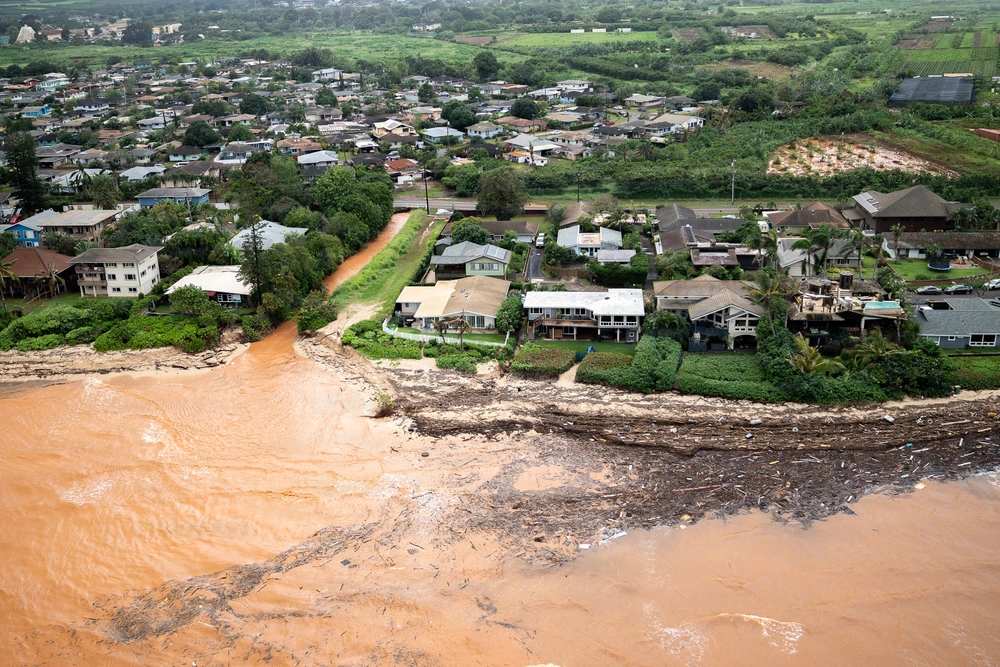
Imagine your streets turning into fast-flowing rivers. This is what residents of Hawaii experienced last month as heavy storms triggered flash floods across multiple islands.
According to the University of Hawaii, the first three weeks of March saw nearly two trillion gallons of water dumped on the island -- enough rainwater to fill 3 million Olympic-sized pools!
The Hawaiian Islands experience unique and sometimes extreme weather patterns due to their location in the Pacific Ocean. While the climate is often warm and tropical, it’s strongly influenced by seasonal changes. Winter months tend to have wetter conditions, with frequent and intense storms.
What Are Kona Lows?
Rainfall is shaped by the mountainous landscape of the Hawaiian Islands. Moist air is carried by winds along mountain slopes and then cools, releasing heavy rain. This can result in dramatic differences in the weather across an island, with one side getting heavy rain while the other remains dry.
A major cause of extreme rainfall in Hawaii is a weather system called a Kona low. These are low-pressure storms that form near the islands and draw in large amounts of moisture from the ocean. Unlike typical weather patterns, these storms linger over the same area for days.
Because they move so slowly, Kona lows produce prolonged periods of high rainfall. According to reports, the March 2026 storm stalled over areas of the state and led to continuous downpours, causing rivers to overflow and floodwater to rapidly rise. The ground becomes completely soaked, meaning the additional rainfall doesn’t get absorbed -- leading to flash flooding.
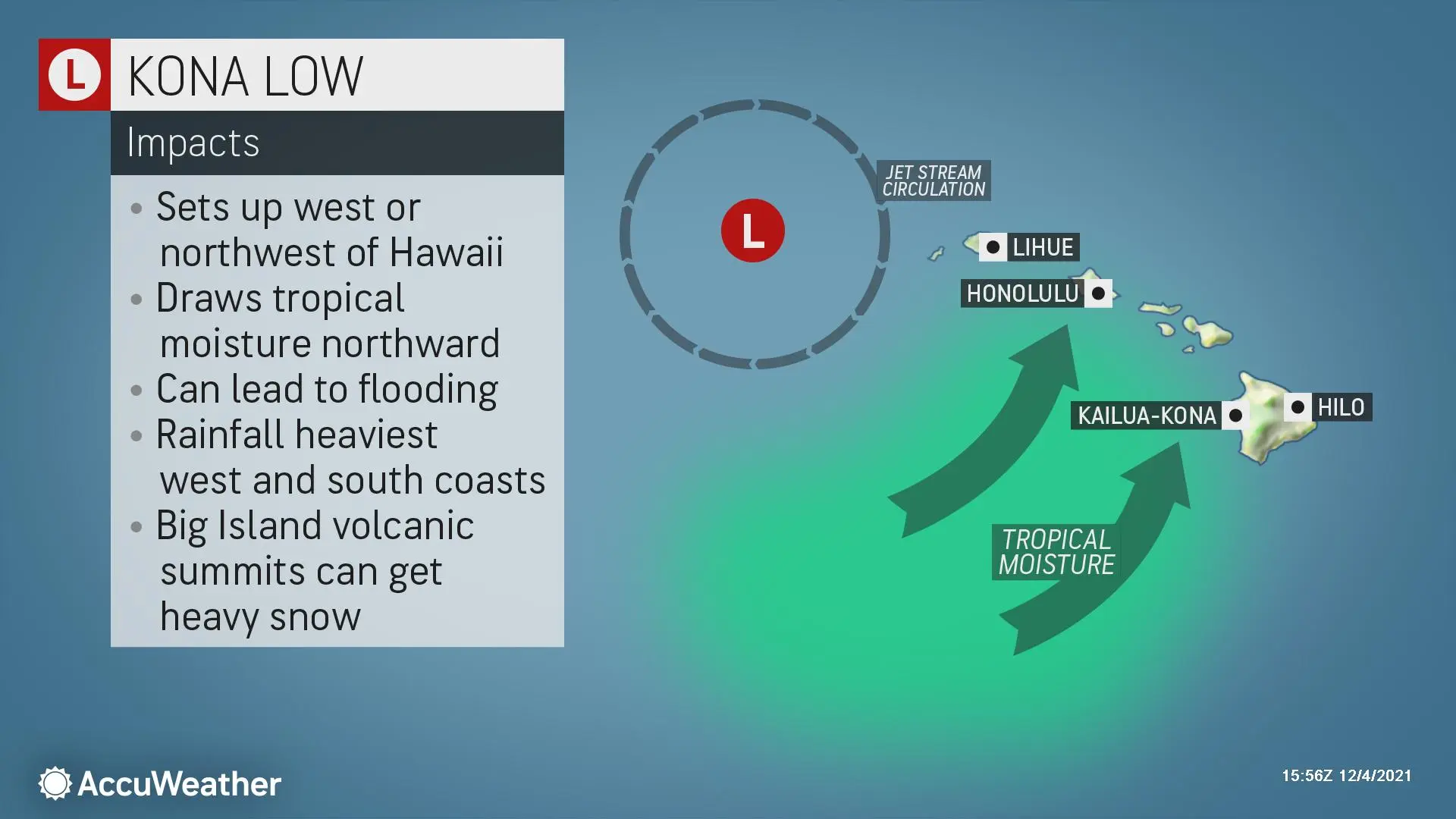
Meteorologists highlight that this type of storm is incredibly dangerous because it is a combination of heavy rain, strong winds, and thunderstorms.
Impacts and Loss
The current flooding has had serious impacts, especially on the heavily populated islands of Oahu and Maui.
Emergency crews conducted rescues as rising waters trapped residents in homes and vehicles. Thousands of Hawaiians were affected by evacuations, road closures, and power outages. This includes many popular tourist spots and entire neighborhoods that were cut off due to flooded roads and damaged infrastructure.
Officials warn that even after the rain stops, dangers remain. The still-standing water and debris create health risks, and experts have noted the increased concern of mold and contamination. The storms are estimated to have caused $1 billion in damage already. Officials worry about the effects on water quality and sanitation.
If our oceans continue to warm, we may see more moisture-laden storms, heavy rainfall, and flash flooding. Understanding these changing patterns and their risks is essential for helping communities prepare for extreme weather conditions in the future and respond better to these events.
Sources: Guardian, CNN, hawaiinewsnow.com, opb.org, University of Hawaii