
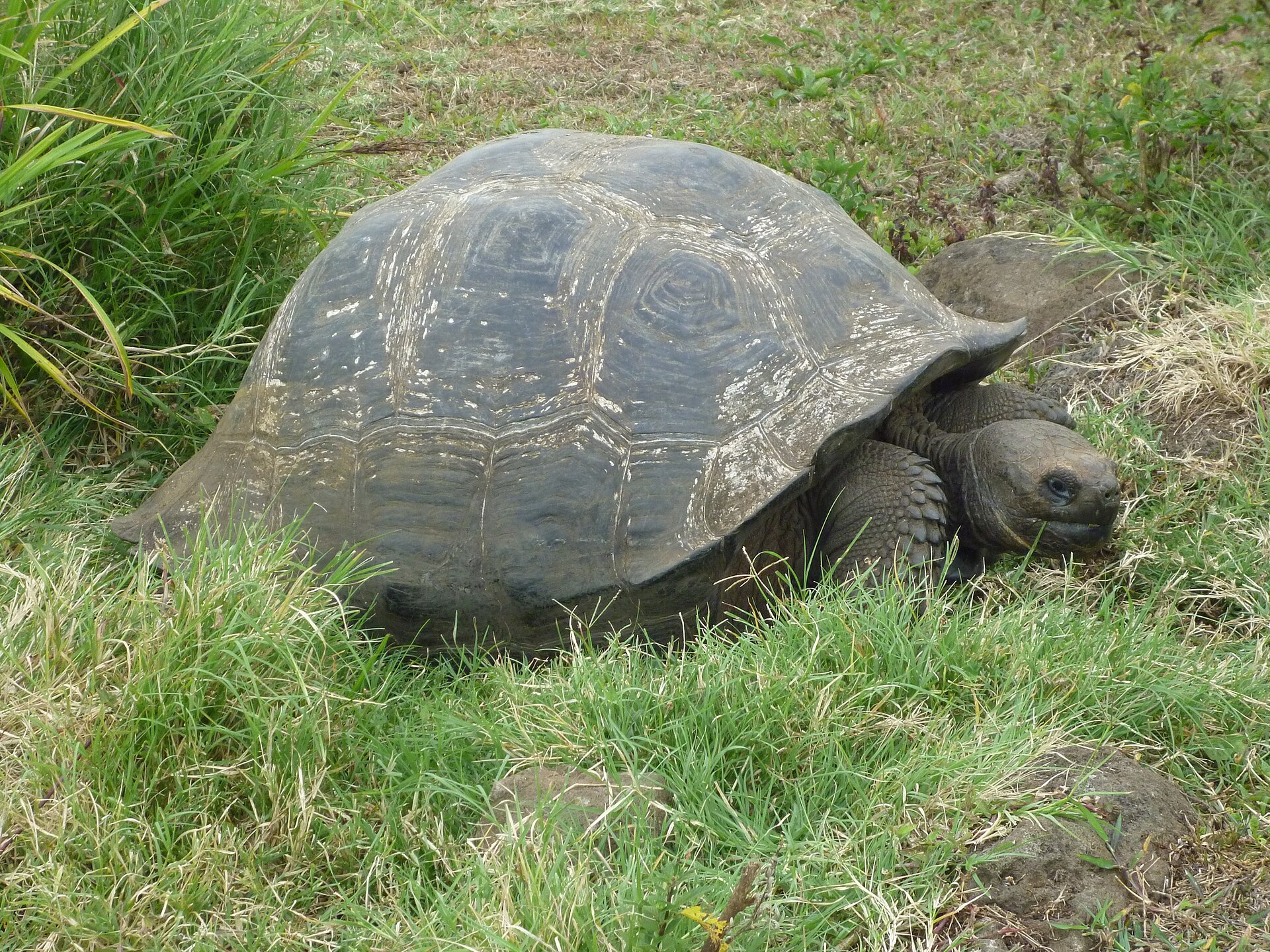

Did you know that giant tortoises can live for more than 100 years?
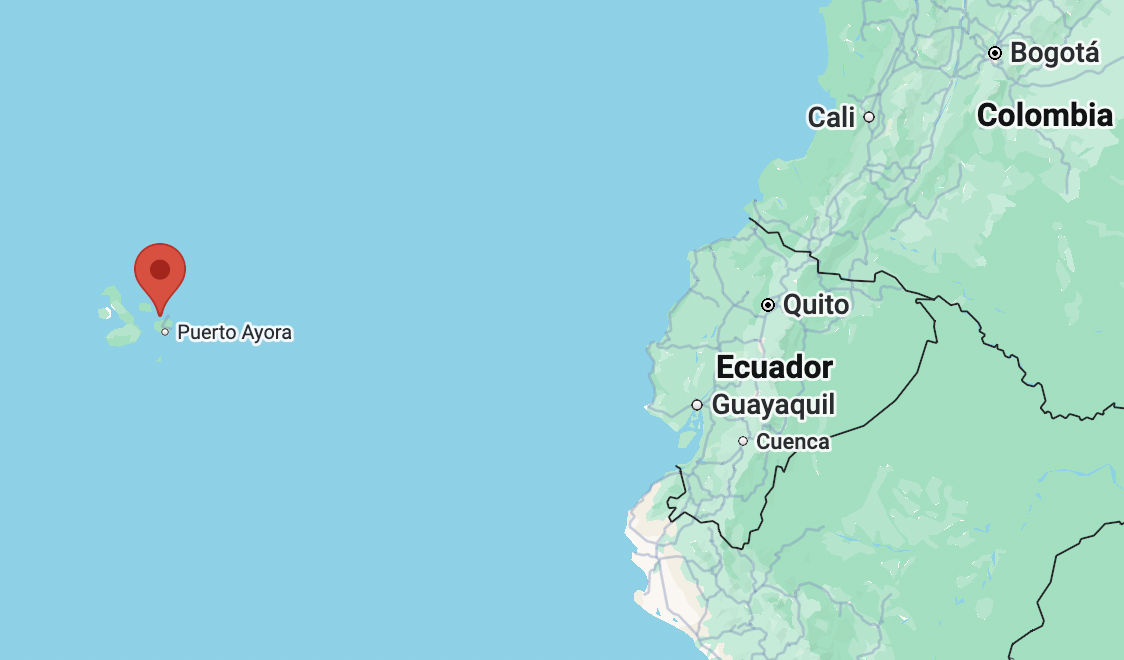
However, for nearly two centuries, the giant tortoises had disappeared from Floreana Island, one of the southernmost Galapagos Islands off the coast of Ecuador.
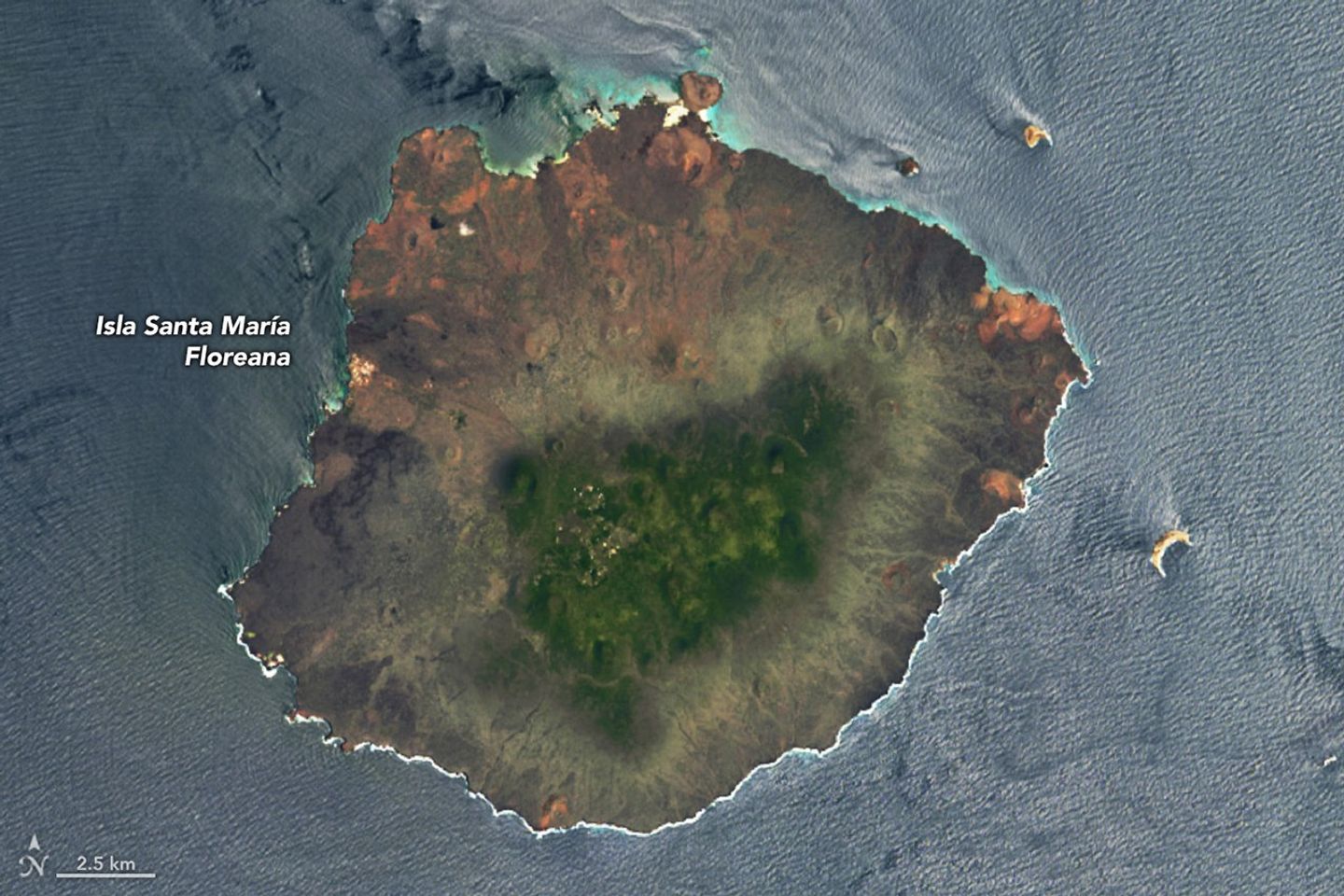
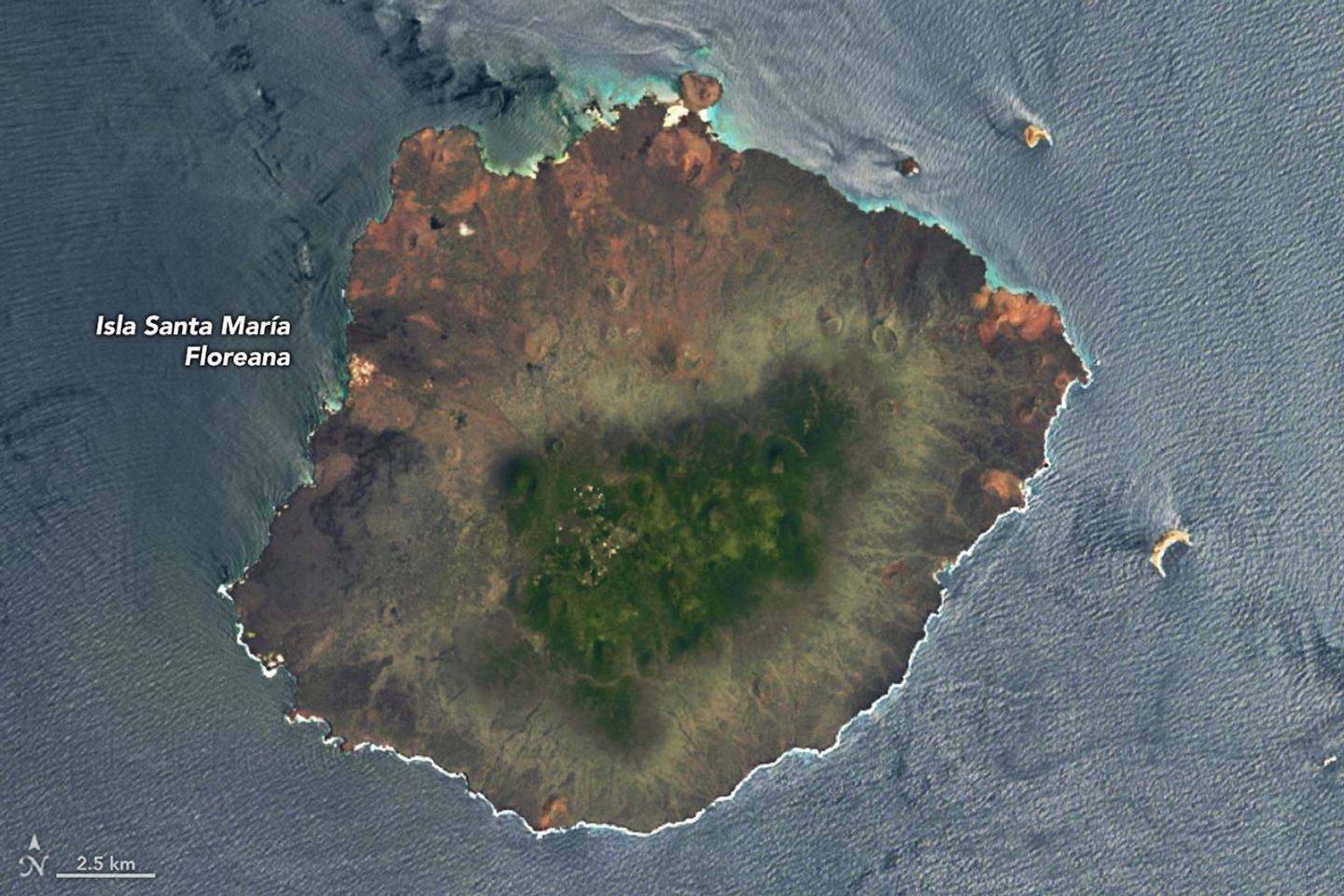
Floreana Island, a volcanic landmass spanning roughly 173 square kilometers, was once home to 20,000 giant tortoises. However, the island has since seen a decline in its tortoise population. It has remained a remote and vital ecological site with a population of nearly 200 people, along with species of flamingos, iguanas, and penguins.
Now, with the help of NASA, 158 juvenile tortoises have slowly, but surely, returned to the island.
What Led To Their Extinction?
As their name suggests, giant tortoises are the largest living tortoise species in the world and are native to the Galapagos Islands.
These friendly reptilian herbivores can weigh up to 700 pounds and be as long as 4 feet. They are also a keystone species in the Galapagos archipelago and shape the landscape. When they graze on vegetation, they trample on the forest floor, opening up new pathways and dispersing seeds across the islands.
Although giant tortoises once thrived across the Galapagos Islands, their population has drastically declined since the 1700s, with the arrival of sailors and fishermen. These sailors hunted tortoises for food because the animals were abundant and, once caught, could survive long durations without eating or drinking.
Later, humans brought animals such as goats, pigs, and rats to the islands, which destroyed plants and ate tortoise eggs. As a result, tortoise populations on some islands, like Floreana Island, disappeared.
Rediscovery and Conservation
In 2000, scientists discovered a new group of tortoises on a nearby island that carried the genes from the extinct Floreana species. Conservationists from the Galapagos Conservancy started breeding programs to help bring the tortoises back.
Young tortoises are raised in safe areas and then released onto Floreana Island so they can live in the wild again, allowing them to repopulate the land. NASA’s satellites studied the terrain of the island, mapping out environmental conditions, vegetation, moisture, and temperature to infer where tortoises could find food and water.
Using this data, the tortoises were released back into the wild in locations with the best conditions and the highest chances for their survival and nesting. Scientists hope that these efforts will eventually help restore the tortoise population
These efforts show the need to conserve biodiversity for an ecosystem to be healthy. With a little help from humans, species on the verge of decline can find their way back to places they once called home.
Sources: NASA, Guardian, WWF, National Geographic, Galapagos Conservancy